Der Silbersee
DER SILBERSEE (Weill)
Scenic Designer: Jeffrey D. Kmeic; Costume Designer: Erik Reagan Teague; Lighting Designer: Marcella Barbeau
Lawrence Edelson, Director
Chicago Opera Theater - 2026

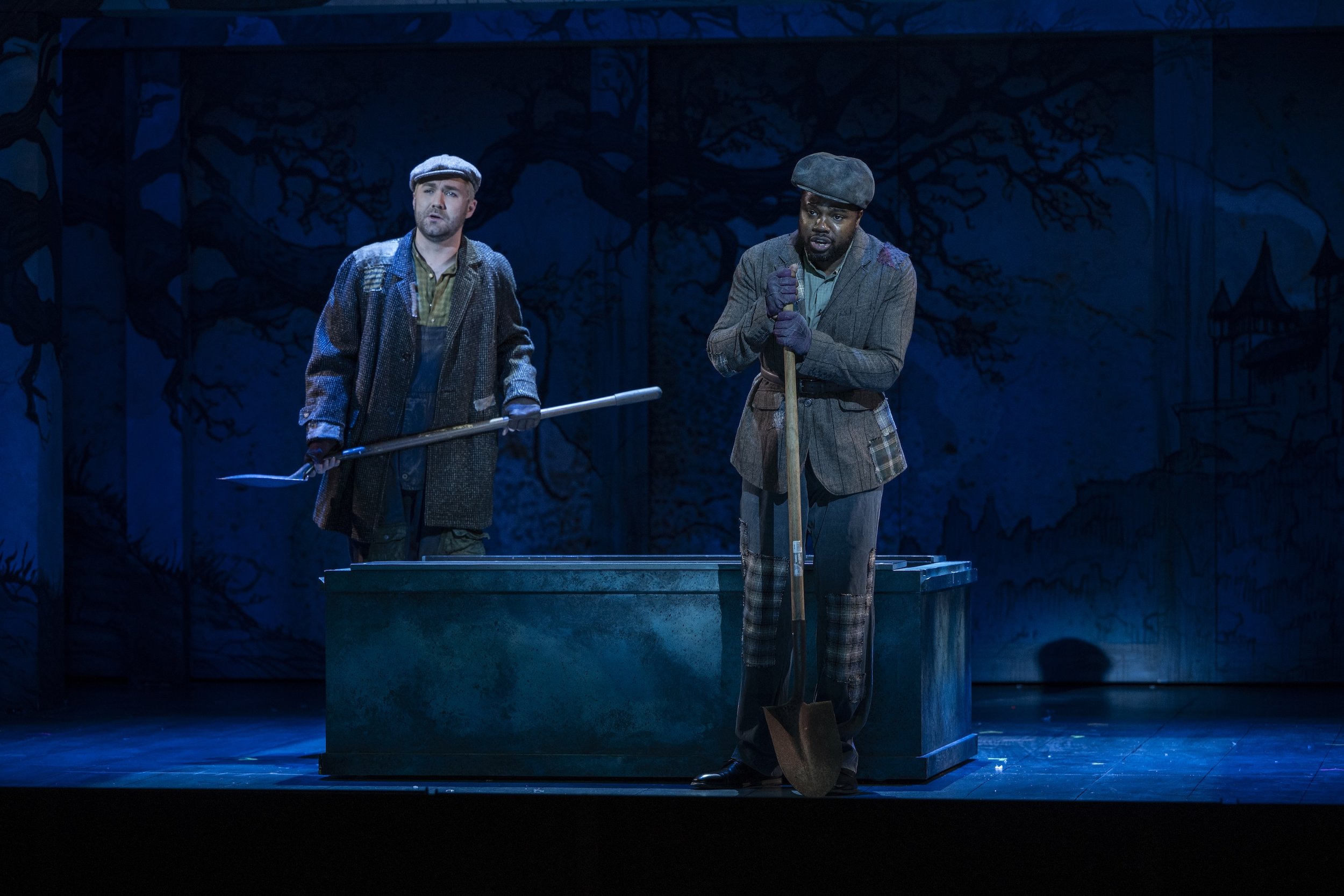


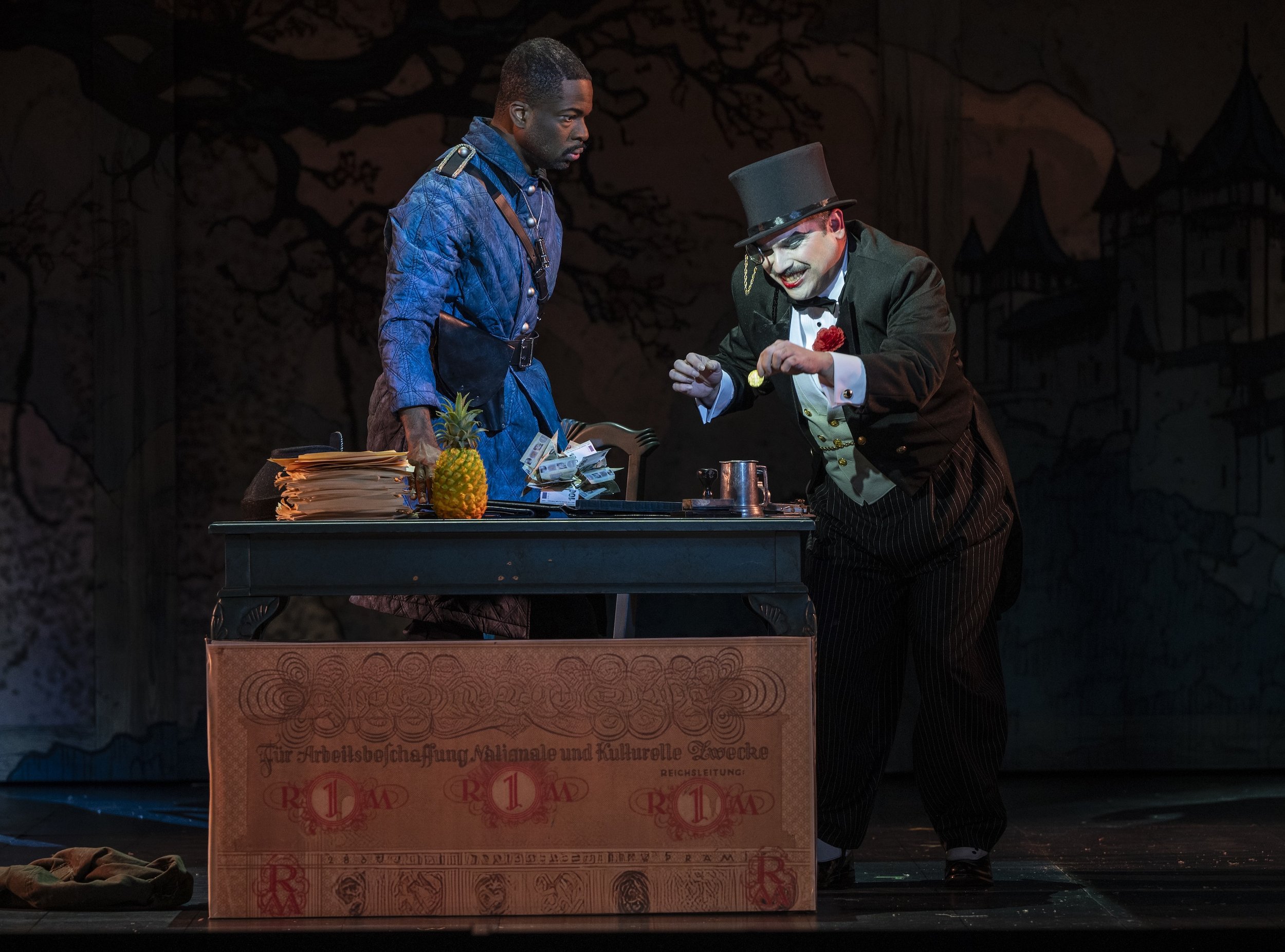


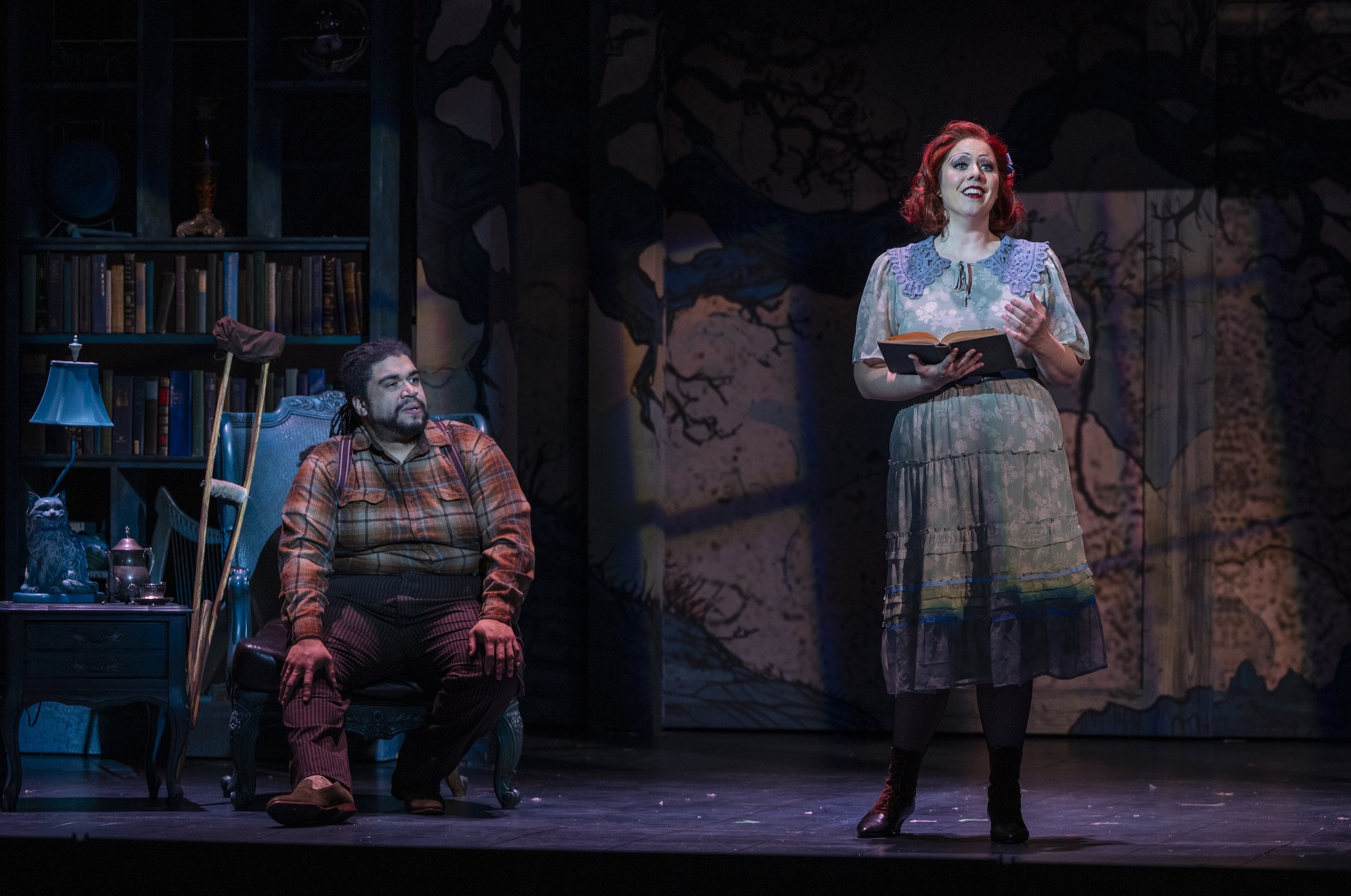

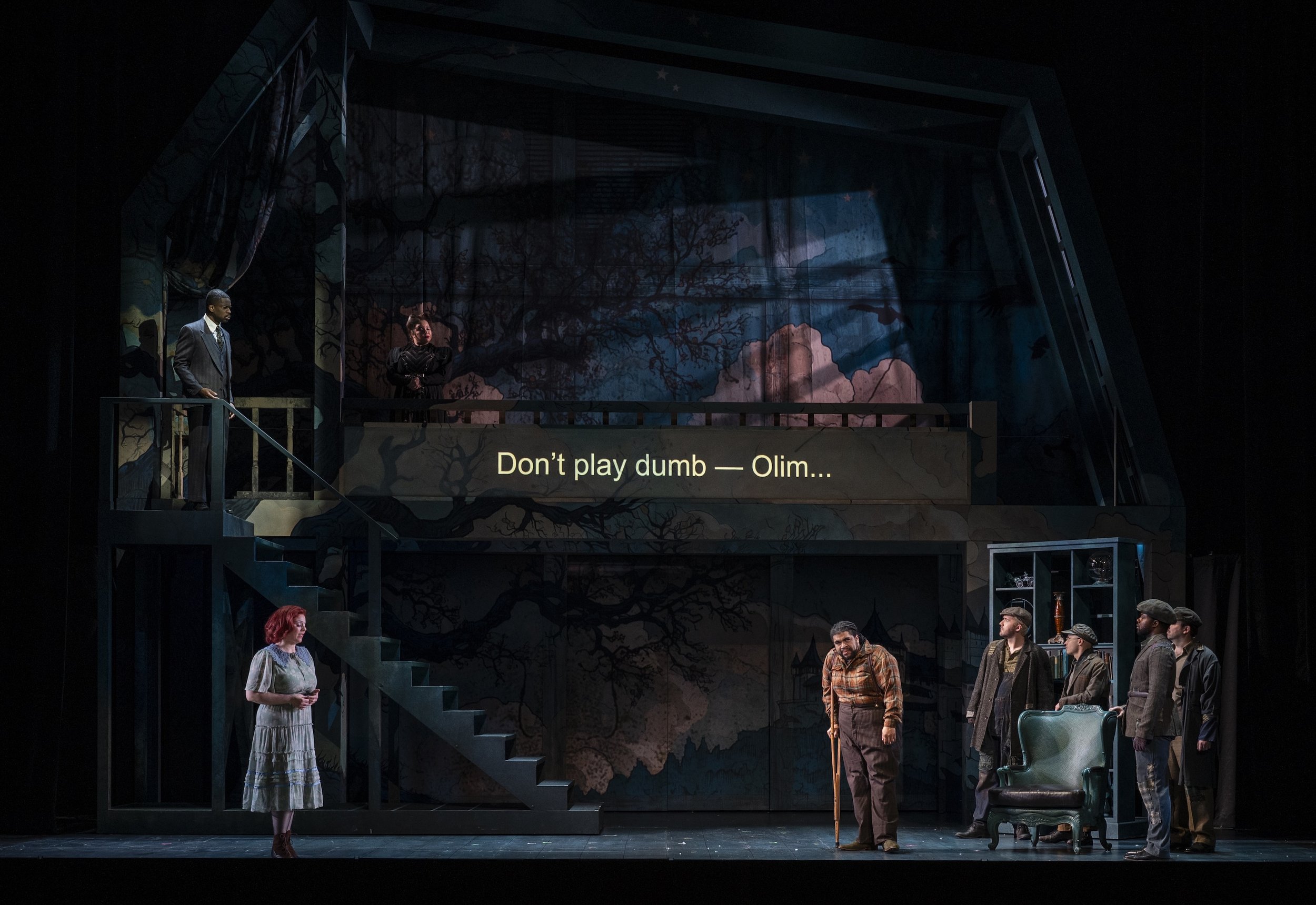

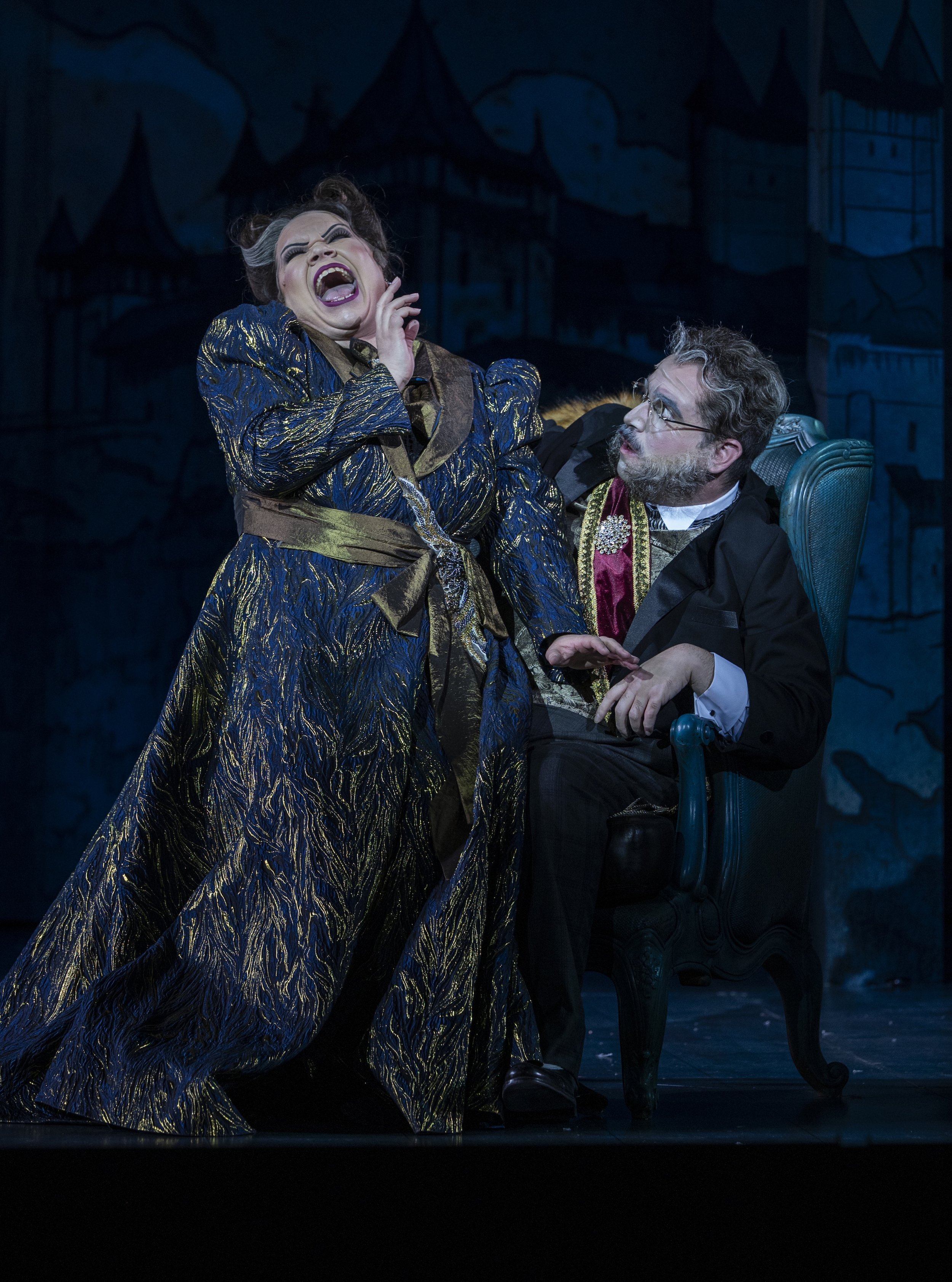


“The brilliant new production by COT’s general director Lawrence Edelson that opened on March 4 at the Studebaker Theater was a milestone for the city’s second opera company whose central mission since it’s founding in 1974 has been to search out important if overlooked works from the 20th century... Sung and spoken in the original German with subtitles integrated into the set design, the COT performances were arguable more faithful to any previous professional staging of Silbersee in the US... Edelson’s staging, with costumes by Erik Teague and lighting by Marcella Barbeau that supported its theatrical purposes most effectively, struck a potent balance between the farcical elements (represented by the rather two-dimensional villains von Luger and Baron Laur) and the serious moral dilemma that links Olim and Severin in unholy alliance. The designer Jeffrey D. Kmeic’s clever, two-tiered set framed the episodic structure within a child’s bedroom, thereby filtering the moral conflicts through the innocent perceptions of a young girl who later becomes the work’s central female figure, Fennimore. The bass-baritone Justin Hopkins, a fine singing actor has sung a number of Weil roles, inhabited the largely spoken role of Olim with sympathy and conviction... while charting the character’s torturous psychological journey from ruthless lawman to compassionate caregiver. Chapmen Williams-Ali was nearly his equal as Severin. His powerful vocalism welled up from the depths of the wounded thief’s insatiable thirst for retribution. The sweet-voiced soprano Arian Strahl brought ingenious allure to Fennimore’s catchy ballad about the death of Julius Caesar. Hir wide-eyed manner felt just right for a tea ex machine far less dipped in writ than most of Weill’s stage heroines. Leah Dexter sank her comedic teeth into the villainous Frau von Luber with cackling relish, an extravagant delight in the ‘fat cat duet’ with Dylan Morrongiello’s wonderful antic Baron Laur, who also brought razor-sharp comic timing to the part of the Lottery Agent. Kudos, too, to COT’s 18-member vocal ensemble, which served a crucial function as Olim’s conscience and the Greek chorus-like commentator on the drama. After Olim and Serverin, the orchestra is really the third protagonist of Silbersee. The conductor James Lowe clearly knew the idiom inside and out, and he drew crackling dramatic urgency from his alert instrumentalists.
- Opera News
Every moment ought to be Kurt Weill’s but especially this one... Weill is exactly what 2026 ordered. His Der Silbersee (“The Silver Lake”) to a libretto by Georg Kaiser, was in the middle of its debut, three-city run when the Nazi Party seized power. The new regime hardly took kindly to the opera’s criticism of an unnamed totalitarian government under the guise of a “winter’s fairy tale.”... In our own time of art being used as an ideological battleground, Chicago Opera Theater’s local premiere of Der Silbersee... felt not only timely but essential.... Sitting in the director’s chair for this production, COT General Director Lawrence Edelson wisely trimmed down the dialogue to keep the production down to two-and-a half hours, rather than the original, unwieldy three... In a director’s note, he explains he was well aware that Der Silbersee’s “fairy tale” subtitle is firmly tongue-in-cheek, but he chose to turn it literal inspired by the instintive clarity children feel when they are still forming a moral code... The staging goes a long way in selling Edelson’s vision... the end-to-end potency of COT’s account was undeniable. This is a production that will echo throughout 2026-and beyond.
- Musical America
Der Silbersee is beautifully sung and a visually stunning production directed by COT’s general director Lawrence Edelson. Der Silbersee is one of the more elaborate and intricate productions I have seen by COT... The subtle and the grandiose stand side by side without one overshadowing the other. The orchestra and the singers have a beautiful symbiosis.... the ending images are a unique blend of Expressionism and Surrealism. Marcella Barbeau’s lighting design accentuates the bare trees and beige attire, making people look like trees. It was Rene Magritte meets Edward Hopper, creating a moving forest... Der Silbersee is a story of resistance, courage, and the ability to see enemies as human beings... It was frightening how similar it is to our world here and now. However, there is hope when people come together to put things right and create a peaceful world. One day, we will get it right.
- Third Coast Review
Chicago Opera Theater general director Lawrence Edelson makes a strong case for delving back into Der Silbersee with an enlightening production...Edelson crucially frames Der Silbersee as a dream derived from a young woman reading a book at bedtime. This device neatly ties into the work’s subtitle of Ein Wintermärchen or A Winter’s Fairy Tale, and helps to explain away the weirdness of sudden plot twists....Edelson opted to stage Der Silbersee in its original German. This decision is greatly aided by Jeffrey D. Kmiec’s clever unit set featuring a sky-painted house interior that allows for scenes to easily switch between exterior and indoor scenes. There’s also a bridge/floor divider where the English translations are centrally projected close to the performers onstage... Weill’s music for Der Silbersee is hauntingly beautiful throughout—especially the wistful choral conclusion that is prophetic of Weill’s own journey across a big body of water to find freedom and safety. Edelson’s staging helped to capture this with often whimsical costumes by Erik Teague and the skilled lighting design of Marcella Barbeau.... Chicago Opera Theater’s staging emphasises that the beauty of Weill’s music still deserves to be heard. And the work’s messages stressing forgiveness and endurance in the face of overwhelming adversity not only make Der Silbersee a valiant curio of its own time, but a contemplative one for ours as well.
- Gramilano
Silbersee is brave work, written and produced at a time of real personal and societal danger. Its political implications are clear, even didactic—and chillingly still relevant. COT general director Lawrence Edelson directs a winning cast of singer/actors, led by tenor Chaz’men Williams-Ali as the beleaguered Severin, bass-baritone Justin Hopkins as the admirable Olim, and soprano Ariana Strahl as Fennimore, the innocent and appealing “charity case” niece of the comically despicable aristocrat Frau von Luber, deliciously portrayed by mezzo-soprano Leah Dexter. Tenor Dylan Morrongiello doubles as the Frau’s detestable lover, Baron Laur, and an equally comic and untrustworthy lottery agent. Mezzo-soprano Sophia Maekawa and soprano Boya Wei shine in a brilliant shopgirls duet that laments an economy in which everything is supposedly “flourishing” but they are broke.
- Chicago Reader
Der Silbersee (The Silver Lake) was the last work Kurt Weill composed before he was forced to flee Nazi Germany. The play with music (subtitled “a winter’s fairy tale”) he composed with dramatist Georg Kaiser amounts to a searing critique of a society teetering on the brink of fascist disaster, sounding a timeless warning of the consequences of authoritarian abuse, wealth inequality and police misconduct. Der Silbersee is one of his finest theater scores. The belated Chicago premiere of this work by Chicago Opera Theater, coming nearly a century after the work’s first performance in Germany in 1933, is nothing if not timely. Indeed, the potent and ambitious new production by general director Lawrence Edelson that opened Wednesday night at the Studebaker Theater struck the audience like a splash of ice-cold water from the titular lake.
- Chicago Classical Review
Kurt Weill and Georg Kaiser’s Der Silbersee (The Silver Lake) has never been an easy work to classify. Somewhere between play, opera and political fable, this 1933 hybrid resists the tidy categories that make theatrical works digestible. Chicago Opera Theater’s production embraces this essential ambiguity and builds its strength from it. Billed as ‘A Winter’s Tale’, the work unfolds in cold, clear light, and what begins as biting social satire gradually thaws into something lyrical and unresolved. Weill’s score grows more hauntingly melodic as the narrative spirals inward... What makes this narrative absorbing is its refusal to resolve into neat moral categories. The policeman is not simply a villain. The victim is not simply innocent. The world is capricious in its cruelty and willfully blind, yet redemption remains possible. This moral tension runs throughout Weill’s score, which asks his performers to hold contradictions in balance. COT’s production captured the darkness superbly. The stage opened with a grave being dug, an effigy of hunger destined for burial. Drab costumes exuded despair, blue-gray sets were bathed in projections of gnarled trees, and the only vivid color came from the shelves of tempting fruit at the grocery shop. This palette of bleakness dominated the evening more than any attempt to root the performance in a particular historical moment. Director Lawrence Edelson wisely allowed the fable to speak for itself. James Lowe conducted with admirable clarity: the orchestra colors were vivid, angular and uncompromising.... Finding a cast that can handle the piece’s dramatic demands remains one of this work’s central challenges. It requires actors who sing and singers who act, and all to a high standard. Most productions settle for compromise by focusing on acting or singing. COT’s ensemble did not. Justin Hopkins sang Olim with dark gravitas, capturing the weight of unintended violence and desperate compensation. Chaz’men Williams-Ali brought a searching lyricism to Severin’s role, his tenor voice perfectly calibrated for longing and anger. Ariana Strahl voiced Fennimore, Frau von Luber’s warm-hearted niece, with an encouraging lyrical soprano that provided crucial tonal contrast. She counterbalanced the darker inflections of her male counterparts, though her rendition of Weill’s famous ‘Ballad of Caesar’s Death’ might have benefited from a grittier attack and sharper diction. Dylan Morrongiello and Leah Dexter completed the cast. Morrongiello inhabited two roles with distinction: first as the lottery agent crooning about wealth’s corrupting allure and, later, as Frau von Luber’s unscrupulous accomplice. Dexter brought veiled menace to the opera’s principal villain, playing the scheming aristocrat with conniving purpose. Dexter understood that malice works best when delivered with restraint. At the evening’s end, Olim and Severin walk onto the frozen lake, guided by Fennimore and urged by a chorus singing fidelity to humanity. They disappear into redemption or death: Weill does not tell us which. The work refuses easy solace even as it insists on mercy. It is a farewell from a composer leaving everything behind, written in the last moment when speech was still possible – before the curtain fell.
- Seen and Heard International
Under Lawrence Edelson’s striking and imaginative direction, the production opens like a fairy tale with a young girl waking in a bed before it shifts suddenly to a much more dire scene. Two men dig a grave while lamenting the wretchedness they feel because of their want of food. Their speech is draped in gallows humor as they push on with their task. Jeffrey Kmiec’s set is dark but you can still detect a lushness of color in the low lights. Deep blues and greens peek through the shadows to lend the stage a sense of richness and depth. Aspects that will grow in luminance as the piece blooms... Weill’s music mirrors the colors’ lure. Full, strong and beautiful, it frames and follows the action like a responsive aural cloud, sensitive to every gesture and word. Standard stage dialog shifts smoothly to actor’s singing the script. There’s a naturalness to the transition from spoken word to song that makes the performance magical and intensifies its magnetism... An epic experience that feels intimate and close, Der Silbersee’s three-hour run time flashes by as quickly as a bolt of lightning. Leaving you in a satisfying fog of wonderment and longing to stay just a little while longer under its spell. One of the more gratifying side effects of substantive and exceptional art.
- Splash Magazine”